


- Written by: admin
- January 27, 2025
Khairpur and Pir Jo Goth: Bringing Clean Water to Children in Rural Sindh
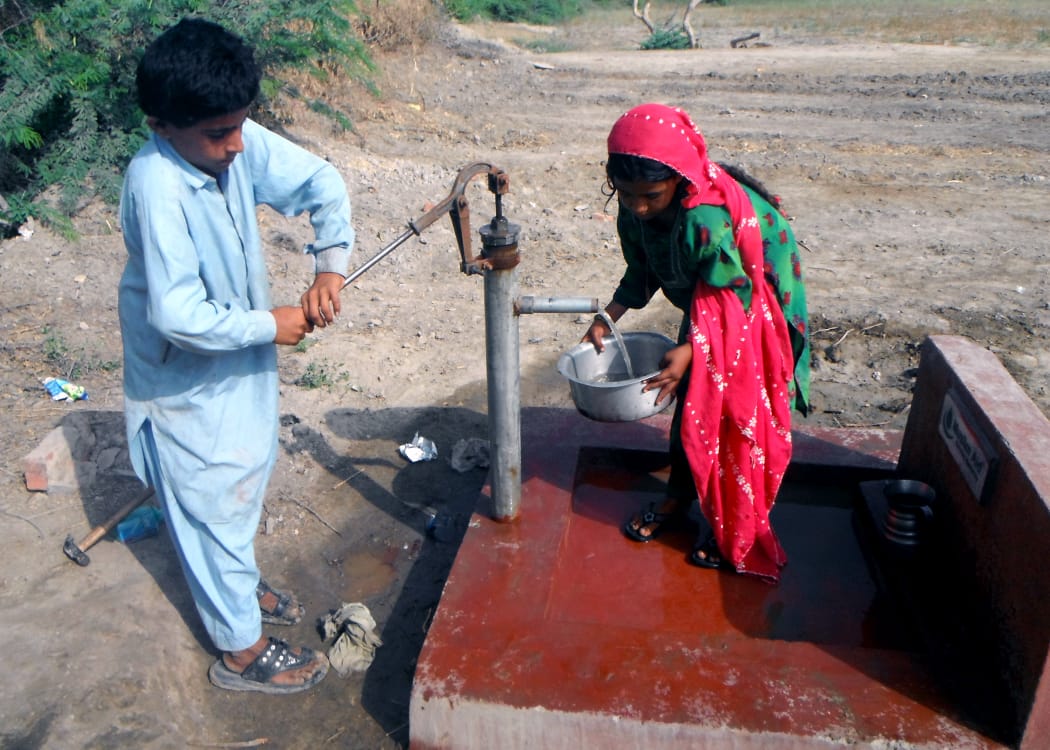
In the scorching heat of Sindh’s interior, access to clean, safe drinking water is not merely a matter of comfort — it is a matter of survival. For the children and families of Khairpur and Pir Jo Goth, two of Pakistan’s most underserved districts, water has long been a daily struggle. Women and young girls have historically walked miles under the blazing sun to fetch water from contaminated sources, returning hours later with heavy containers and the invisible burden of waterborne illness. Today, however, a powerful initiative is changing that reality, one water pump at a time.
A Crisis Hidden in Plain Sight
Khairpur and Pir Jo Goth sit in the heart of Sindh province, where rural poverty is deeply entrenched. For decades, communities here have relied on open wells, irrigation canals, and rivers for their daily water needs — sources that are frequently contaminated with agricultural runoff, animal waste, and industrial pollutants. Children under the age of five are disproportionately affected, with diarrhoea, typhoid, and cholera claiming young lives at alarming rates. Malnutrition compounds the problem: a child weakened by repeated waterborne infections cannot absorb nutrients efficiently, creating a vicious cycle that stunts both physical and cognitive development.
The scale of the problem is staggering. In many villages within these districts, there is not a single functioning hand pump. Girls who should be in school instead spend hours each day fetching water. Boys who could be studying or playing fall ill with preventable diseases. Mothers make impossible choices between feeding their families and seeking medical care. This is the reality that humanitarian organisations working in the region are confronting head-on.
The Water Pump Initiative: How It Works
The water pump programme operating in Khairpur and Pir Jo Goth targets the most vulnerable households, prioritising families with young children, elderly residents, and those with disabilities. Each installation involves a community consultation process where local leaders, women’s groups, and school representatives identify the optimal placement for maximum community benefit. Hand pumps are strategically sited near schools, mosques, and community gathering spaces to ensure they serve the widest possible population.
The pumps themselves are durable, low-maintenance units designed to withstand the region’s extreme climate. Crucially, the programme includes a comprehensive training component: selected community members, often women, are trained in basic pump maintenance and minor repairs. This approach builds local ownership, reduces dependence on outside technical support, and ensures the pumps remain functional long after the initial installation team has moved on. A small revolving fund, contributed to voluntarily by community members, covers the cost of spare parts and emergency repairs.
Impact on Children: More Than Just Water
The ripple effects of clean water access on children’s lives extend far beyond simple hydration. When a school receives a functioning water pump, attendance — particularly among girls — rises significantly. Children who were previously absent due to illness begin returning to class. Teachers report higher energy levels and better concentration among students. The simple act of washing hands, now made possible with accessible clean water, dramatically reduces the spread of respiratory and gastrointestinal infections throughout entire classrooms.
For the youngest children, the impact is even more profound. Infants and toddlers whose mothers now have access to clean water for preparing food and formula show marked improvements in weight gain and developmental milestones. Community health workers partnered with the initiative report a measurable decline in child admissions to local health facilities for waterborne diseases in areas where pumps have been installed.
Community Voices
Speak to any family in these communities and the same themes emerge: gratitude, relief, and a sense of dignity restored. A mother in one of the target villages described how her seven-year-old daughter, who previously missed school at least twice a month due to stomach ailments, has not been ill since clean water came to their neighbourhood. An elderly man recalled that in his entire life, he had never had a pump within walking distance of his home. These are not small victories — they are transformative changes in the fabric of daily life.
The initiative also carries an important message about gender equity. By reducing the burden of water collection — a task that has historically fallen almost exclusively on women and girls — the programme frees up time that can be redirected toward education, income generation, and community participation. Several women trained as pump caretakers have gone on to become local advocates for hygiene and sanitation, conducting awareness sessions in their villages and neighbouring communities.
Looking Ahead
The work in Khairpur and Pir Jo Goth is far from finished. Thousands of households in the region still lack access to safe water, and the organisations leading this effort are acutely aware of the scale of what remains to be done. Plans are underway to expand the programme to additional villages, with a particular focus on communities that are hardest to reach due to poor road infrastructure or geographic isolation. Solar-powered pump systems are being piloted in areas where maintenance of mechanical pumps has proven challenging.
Clean water is not a luxury — it is a fundamental right. Every pump installed in Khairpur and Pir Jo Goth is a statement of that belief, a tangible investment in the future of Pakistan’s children, and a testament to what is possible when communities, humanitarian organisations, and committed donors work together toward a common goal.